
Life After Maxillectomy: The Role of Oral Obturators
An oral obturator is a custom prosthesis that closes an opening between the mouth and nose. This guide explains its role after maxillectomy, the fitting process and questions about daily use.
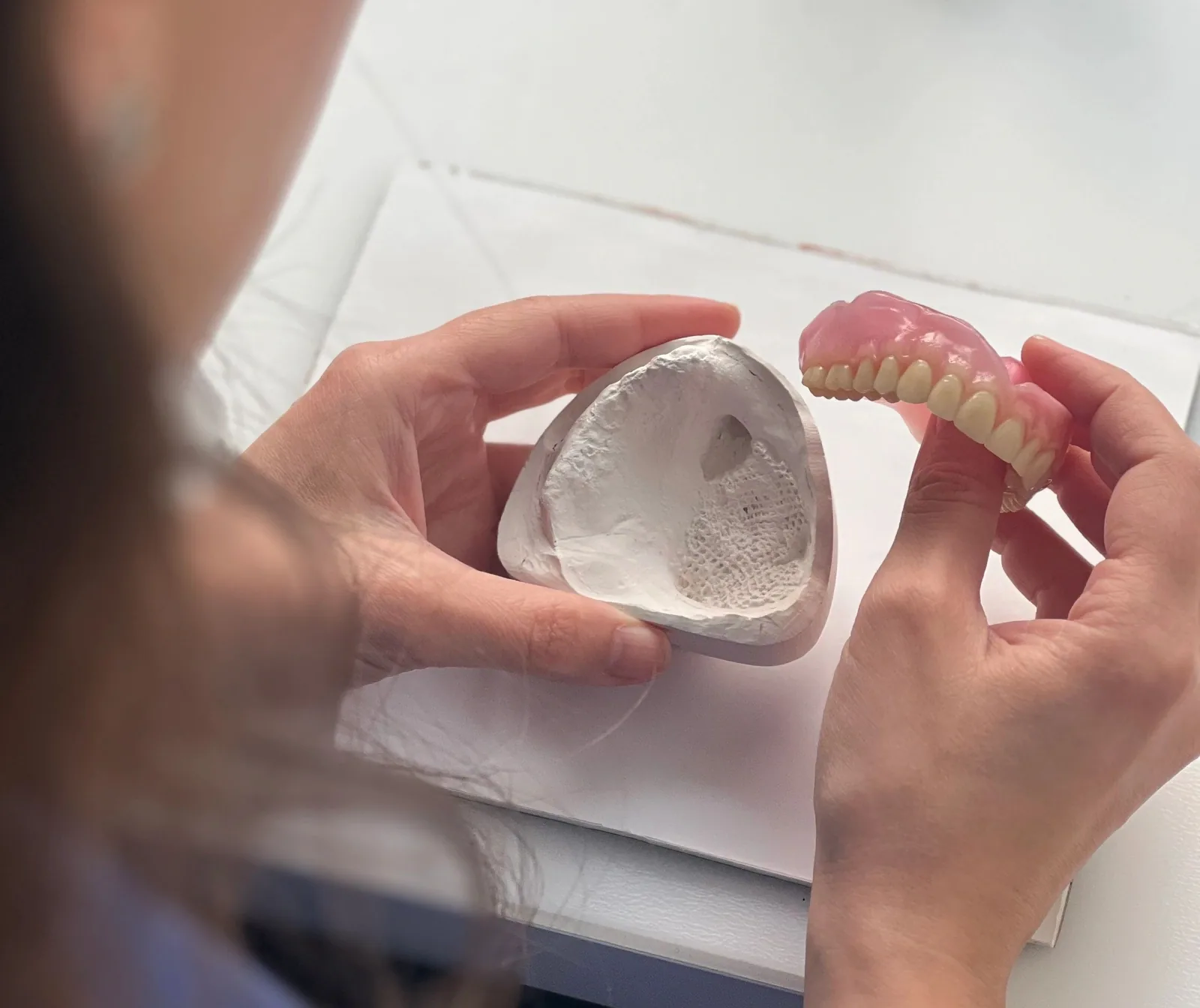
When life-saving surgery alters the structure of the face or mouth, patients often find themselves navigating a new set of challenges that go far beyond physical healing. Eating, speaking, and even smiling, once automatic daily functions, can become difficult after procedures like a maxillectomy. One of the most important tools in this journey is the oral obturator.
What is a maxillectomy?
A maxillectomy is a surgical procedure involving the removal of part or all of the upper jaw (maxilla). It is most commonly performed to treat:
- Oral or sinus cancers
- Severe trauma or infection
- Congenital deformities, such as cleft cases.
While the surgery can be life-saving, it often leaves a communication between the oral and nasal cavities, resulting in difficulties with speech, swallowing, chewing, and facial aesthetics.
What is an oral obturator?
An obturator is a custom-made prosthetic device designed to close the opening between the oral and nasal cavities created by surgery or a congenital condition.
By restoring separation between these spaces, the obturator allows patients to:
- Speak more clearly
- Swallow and eat comfortably
- Improve facial appearance
- Regain confidence in social interaction.
Each obturator is individually designed to the patient’s anatomy and needs, blending digital technologies with artisan craftsmanship. The design evolves over time as healing progresses, typically through three key stages:
- Surgical obturator – fitted immediately after surgery to protect the wound and support initial healing.
- Interim obturator – provided during recovery, as tissues stabilise and swelling subsides.
- Definitive obturator – the long-term prosthesis, optimised for comfort, function, and appearance.
The word obturator comes from the Latin “obturare”, meaning “to fill up.” At Engreco Healthcare, we believe it fills more than a physical space — it restores function, dignity, and connection.
Who can benefit from an obturator?
While obturators are most often used after head and neck cancer surgery, they are also essential for people with:
- Congenital conditions, such as cleft palate
- Traumatic facial injuries
- Post-surgical or post-radiation defects
- Temporary rehabilitation needs before definitive reconstruction.
In some cases, obturators are a permanent alternative to complex reconstructive surgery, especially when medical, financial, or personal factors make surgery unsuitable.
The making of an obturator
Designing a successful obturator requires deep interdisciplinary expertise. At Engreco Healthcare, each device is crafted using a combination of:
- Digital design and 3D printing technologies for precision fit
- Advanced biocompatible materials, including acrylics, silicones, and lightweight frameworks
- Prosthetic artistry, to recreate natural form and function
- Close clinical collaboration, ensuring alignment between surgical teams, restorative consultants, and patients.
The result is a tailored prosthesis that blends seamlessly with the patient’s anatomy and supports speech, mastication, and appearance with comfort and reliability.
FAQ: Common myths and facts
Even among clinicians and patients, obturators are sometimes misunderstood. Let’s clarify a few common misconceptions:
Myth 1: “An obturator is just like a denture.” Fact: Unlike a denture, an obturator replaces missing oral tissues and restores critical functions such as speech and swallowing. It is a complex, medically specialised prosthesis requiring expertise in restorative and maxillofacial rehabilitation, and only highly specialised restorative dentists, maxillofacial prosthetists, and specialist dental technicians can manufacture them property.
Myth 2: “Once fitted, an obturator doesn’t need maintenance.” Fact: Regular review and adjustment are vital as the anatomy changes during healing. Maintenance ensures comfort, hygiene, and optimal function.
Myth 3: “Only cancer patients need obturators.” Fact: They are also invaluable for patients with cleft palate, trauma, or surgical defects, and sometimes serve as temporary aids before reconstruction.
Myth 4: “Obturators are uncomfortable.” Fact: A well-designed obturator is comfortable and functional, enabling patients to eat and speak with confidence. Most users adapt quickly and find immense relief.
Myth 5: “Obturators are outdated and surgery is better.” Fact: Surgical reconstruction and obturators are complementary, not competitive. In many cases, obturators remain the most effective, minimally invasive, and affordable option.
Myth 6: “They all look and function the same.” Fact: Every obturator is bespoke, designed to each patient’s needs, with variable materials, shapes, and retention mechanisms.
Myth 7: “You can eat anything with an obturator.” Fact: Most foods are manageable, but sticky or hard food should be approached with care. With guidance, most patients return to a normal, enjoyable diet.
Myth 8: “Cleaning an obturator is complicated.” Fact: Cleaning is simple; gentle brushing with mild soap or a non-abrasive cleanser keeps it fresh. Avoid boiling water and harsh chemicals.
Myth 9: “It’s fine to leave the obturator out for a few days.” Fact: Consistent wear is crucial. Removing it for long periods can affect fit, function, and oral health. Most importantly, the soft tissue in the oral/nasal will start collapsing and the obturator might not fit.
Myth 10: “All obturators are made from one-piece acrylic.” Fact: Modern obturators can combine acrylic, silicone, or metal frameworks, allowing multi-component, lightweight, and durable designs. They can also be one-part or two-part obturators, depending on the design and the size of the defect.
Restoring confidence
Behind every obturator lies a story of resilience, and the art of giving someone their voice, function, and confidence back.
At Engreco Healthcare, we combine over 19 years of clinical and technical expertise with a deep sense of empathy for every patient’s journey. Our mission is simple: To restore normality and dignity after life-changing surgery through compassionate prosthetic care.
If you are a clinician, patient, or trainee seeking to learn more about obturators or maxillofacial rehabilitation, our team is always happy to collaborate, educate, and support.
Written by:
Anna Veli - Consultant Maxillofacial Prosthetist (Engreco Healthcare)
(08 November 2025)