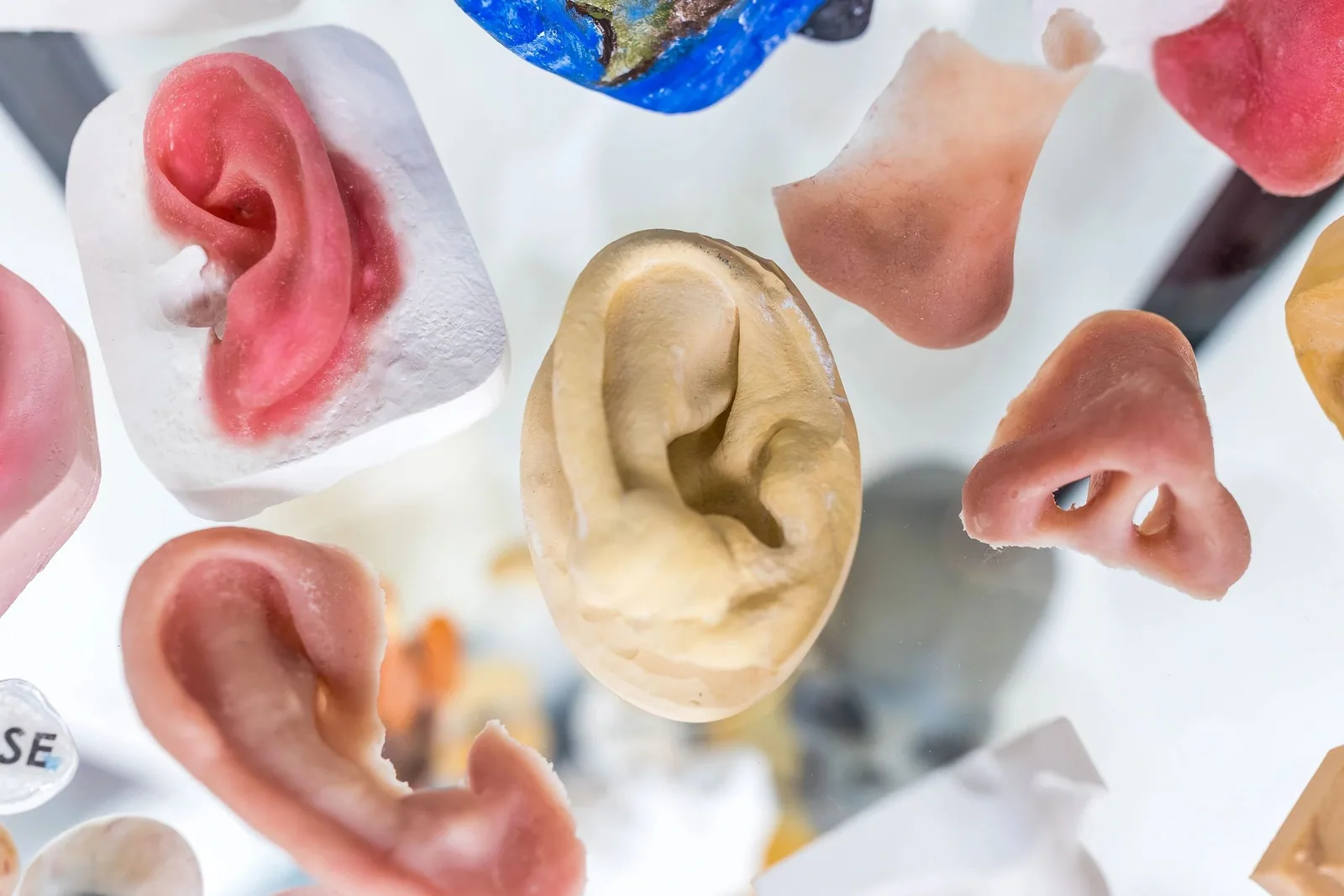
Living with a facial prosthesis involves choices about fit, retention, daily care and review appointments. This guide explains common options and practical considerations, while recognising that each person's needs and preferences are different.
Losing part of your face or body, whether due to cancer, trauma, congenital conditions, or other medical reasons, is an intensely personal and life-changing experience. The physical, emotional, and psychological effects can be profound, but recovery and rehabilitation offer hope, confidence, and a path to reclaiming your identity.
At Engreco Healthcare, we specialise in maxillofacial prosthetics and custom-made body prosthetics designed to restore function, appearance, and self-esteem. Whether you’re considering a facial prosthesis, exploring silicone prosthesis options, or choosing to live without one, we honour your journey and empower you to make informed choices.
What is a prosthesis?
A prosthesis is an artificial appliance designed to replace a missing part of your body that cannot be restored or reconstructed surgically. In the realm of maxillofacial prosthetics, this includes:
- Intraoral prostheses: Devices replacing parts inside the mouth such as teeth or the palate.
- Extraoral (facial) prostheses: Artificial replacements for facial features like the nose, ear, eye, or cheek.
Most prostheses are removable and worn daily, similar to dentures, and are custom-made to fit comfortably and naturally.
Why do people need facial or body prosthetics?
Loss of facial or body parts can happen for many reasons, including:
- Cancer surgeries (head, neck, skin, breast, brain)
- Congenital conditions like microphthalmia, microtia, or craniofacial syndromes
- Severe infections (sepsis, meningitis)
- Diabetes-related limb amputation
- Trauma and accidents (including gunshot wounds and war injuries)
- Stroke-related cranioplasty
- Voluntary surgeries such as bilateral mastectomy
- Gender-affirming care to support identity and well-being.
Each person’s experience is unique, and prosthetic rehabilitation is tailored to your specific needs.
What can a prosthesis replace?
Facial Prostheses
- Nasal Prostheses: After removal of all or part of the nose, a nasal prosthesis restores the structure and appearance. Made from medical-grade silicone, these are hand-coloured to blend with your natural skin. They help humidify your nasal cavity and protect delicate mucosal tissues. Attachment methods include adhesives, bone-anchored implants, or spectacles.
- Ocular Prosthesis (Artificial Eye): After eye loss, an ocular prosthesis fits into the eye socket or as a shell over a non-seeing eye. Acrylic-made and custom-coloured, they replicate your natural eye. Larger orbital prosthesis can replace the eye, eyelids, and surrounding tissues with realistic eyelashes and eyebrows. These are removable and can be secured via adhesives or implants.
- Ear Prosthesis: Silicone ear prosthetics replace partial or complete ears lost to cancer or trauma. They improve aesthetics, help hold glasses, and restore hearing perception. Attachment is via adhesive or bone-anchored implants.
Intraoral Prostheses
- Replace teeth, palate, and other oral structures to improve speech, swallowing, and facial support after surgery or trauma. These prostheses are often made from acrylic or other durable materials.
Breast and Nipple Prosthesis
- For post-mastectomy reconstruction or gender-affirming care, including 3D nipple tattooing as a semi-permanent option.
Body Prosthesis
- Including partial foot prostheses, fingers, digits, and body contouring prosthetics designed for both function and appearance.
How are prostheses made and fitted?
Every prosthesis is custom-made by expert maxillofacial prosthetists through a detailed, multi-step process:
- Consultation and Assessment: Your prosthetist will evaluate your individual needs, anatomy, surgical history, and lifestyle goals. This helps create a personalised treatment plan.
- Timing: Prosthesis fitting can only begin once the surgical site has healed and swelling has reduced, which varies from patient to patient.
- Impressions and Sculpting: Impressions of the affected area are taken. Skilled artists sculpt and colour-match the prosthesis to your skin tone, often using pre-surgery photos for reference.
- Fitting and Adjustments: Multiple appointments may be necessary to ensure comfort, realistic appearance, and functional fit.
- Materials:
- Facial prostheses are typically made from medical-grade silicone for lifelike texture and durability.
- Prosthetic eyes and teeth often use acrylic for strength and aesthetics.
- Intraoral and cranial prostheses may include titanium or PEEK for long-lasting support.
How are prostheses attached?
Attachment methods depend on your anatomy, medical history, and lifestyle:
- Medical Adhesives: Easy to apply and remove daily.
- Bone-Anchored Implants: Titanium implants are surgically placed into bone (osseointegration) to provide secure, snap-on retention for your prosthesis. This involves a multidisciplinary surgical and prosthetic planning process and healing time before prosthesis fitting.
- Spectacle or Band Support: Prostheses can be supported by glasses frames or headbands when suitable.
Your healthcare team will guide you to the best method.
Advantages and considerations of facial prosthesis
Advantages
- Improve quality of life and aid rehabilitation after major head and neck surgery.
- Provide protection and support to delicate tissues.
- Offer superior aesthetic outcomes when surgical reconstruction is not possible or desired.
- Non-invasive with no need for repeated surgeries (except when using implants).
- Help restore confidence and social function.
Considerations
- Prostheses do not blink, move, or provide sensation like living tissue.
- Typically removable and require daily cleaning.
- Materials wear over time and may need maintenance or replacement every 1–3 years.
- Colour and detail can fade due to sunlight exposure, necessitating regular reviews.
NHS vs. Private prosthetic care: Why choose us?
While the NHS offers essential care, challenges such as long waiting times, limited prosthetic options, and restricted funding often arise. At Engreco Healthcare, choosing private care means:
- Faster, more flexible treatment pathways.
- Access to fully customised, hand-crafted prostheses, including artistic or alternative designs.
- Personalised one-to-one care from experienced maxillofacial prosthetists.
- Collaborative approach with surgeons, dentists, and therapists.
- Ongoing support and education beyond fitting.
Life after prosthetic fitting: Beyond appearance
A prosthesis marks the start of a new chapter, not the end of your journey. Many patients report:
- Renewed confidence in public and private life.
- Improved speech, eating, and breathing function.
- Reconnection with family, friends, and society.
- A restored sense of identity, control, and emotional wellbeing.
At Engreco, we offer dedicated post-fitting support and regular reviews to ensure your prosthesis continues to serve you well.
FAQ: Everything you need to know about prosthetic options UK
Q. What is a prosthesis?
A prosthesis is a custom-made device that replaces a missing body part—such as a finger, toe, hand, foot, or facial feature. It helps restore function, appearance, and confidence, supporting your daily life and wellbeing.
Q. Who can benefit from a prosthesis?
People who have experienced trauma, cancer, congenital conditions, infections, amputations, or voluntary surgeries can benefit. Prosthetic rehabilitation can help restore both function and appearance.
Q. What types of facial or body prosthetics are available?
We offer a wide range of prosthetic solutions, including:
- Facial prosthetics: ear, nose, eye, cheek
- Body prosthetics: breast, nipple, finger, toe
- Oral/maxillofacial devices: obturators for jaw or palate defects
Each prosthesis is tailored to your anatomy, health, and personal preferences, ensuring comfort and natural appearance.
Q. Who makes and fits these prosthetics?
Prosthetics are custom-designed and manufactured by skilled maxillofacial or anaplastology technicians, often working with surgeons and dentists. A clinical prosthetist or specialist clinician fits the device to ensure optimal function, comfort, and aesthetics.
Q. How long do prostheses last?
Most prosthetic devices last 1–3 years, depending on the materials used, daily wear, and care. Regular check-ups and maintenance help extend the life of your prosthesis and keep it looking and functioning at its best.
Q. Can prosthetics help me speak, eat, or perform daily activities?
Yes. Oral or maxillofacial prosthetics, such as palatal devices or obturators, can improve speech, chewing, and swallowing. Facial and body prosthetics primarily restore appearance but can also provide functional support, for example protecting sensitive areas like the eye.
Your Story - Your Choice
Loss of part of your face or body is a deeply personal experience, but it does not define your identity or worth. Whether you choose to pursue prosthetic rehabilitation, artistic expression, or full acceptance without intervention, you deserve expert, compassionate care designed with your goals and values in mind.
We are here to listen, support, and provide solutions that reflect your unique journey.
Written by:
Anna Veli - Consultant Maxillofacial Prosthetist (Engreco Healthcare)
(07 July 2025)