Nasal Septal Perforation: Causes, Symptoms & Solutions
A nasal septal perforation is a hole in the tissue separating the nostrils. This guide introduces possible causes, symptoms and management options, including the role of specialist assessment and prosthetic devices.
A nasal septal perforation, a hole in the cartilage or bone that separates the nostrils, is a condition that can significantly affect breathing, speech, appearance, and quality of life. While it can arise from a variety of causes, one of the most commonly discussed (yet often underreported) is intranasal drug use, particularly cocaine.
At Engreco Healthcare, we approach every case with clinical expertise, discretion, and zero judgement. Whether the perforation is small or extensive, there are effective, life-improving solutions available.
What Causes a Nasal Septal Perforation?
Nasal septal perforations can result from several factors, including:
1. Cocaine use and vasoconstriction - Cocaine is a powerful vasoconstrictor, meaning it restricts blood flow to tissues. Repeated use inside the nose can lead to:
- Reduced blood supply (ischaemia)
- Tissue death (necrosis)
- Progressive damage to cartilage and surrounding structures.
Over time, this can result in a hole forming in the nasal septum, and in more severe cases, even the palate (roof of the mouth). Studies suggest that more than half of individuals who chronically snort cocaine may develop some degree of nasal or palatal perforation.
2. Mechanical trauma - Frequent picking or inserting objects into the nose, such as pens, tissues, or fingernails, to remove crusting can worsen damage and increase the risk of perforation.
3. Other causes - While cocaine use is a well-known cause, septal perforations may also occur due to:
- Previous nasal surgery (e.g. septoplasty)
- Trauma or injury
- Chronic infections or inflammation
- Autoimmune conditions (e.g. granulomatosis with polyangiitis)
- Long-term use of nasal sprays.
Signs and Symptoms
A nasal septal perforation may present with:
- Whistling sound when breathing
- Nasal crusting and dryness
- Nosebleeds
- Difficulty breathing
- Hypernasal speech
- Nasal regurgitation when eating or drinking
- Structural collapse leading to a “saddle nose” deformity.
In more advanced cases, loss of septal support can cause the nose to appear flattened or broadened.
Why Early Management Matters
Without intervention, symptoms can worsen over time, affecting both function and appearance. Importantly, if cocaine use is the underlying cause, complete abstinence is essential before any long-term treatment or reconstruction is considered.
Interestingly, clinical observations show that although cocaine use is statistically more common in men, women may be more susceptible to severe tissue damage, possibly due to differences in connective tissue biology.
Treatment Options
1. Conservative management - Initial treatment focuses on:
- Eliminating the underlying cause (e.g. stopping cocaine use)
- Keeping the nasal passages moist
- Managing crusting and infection.
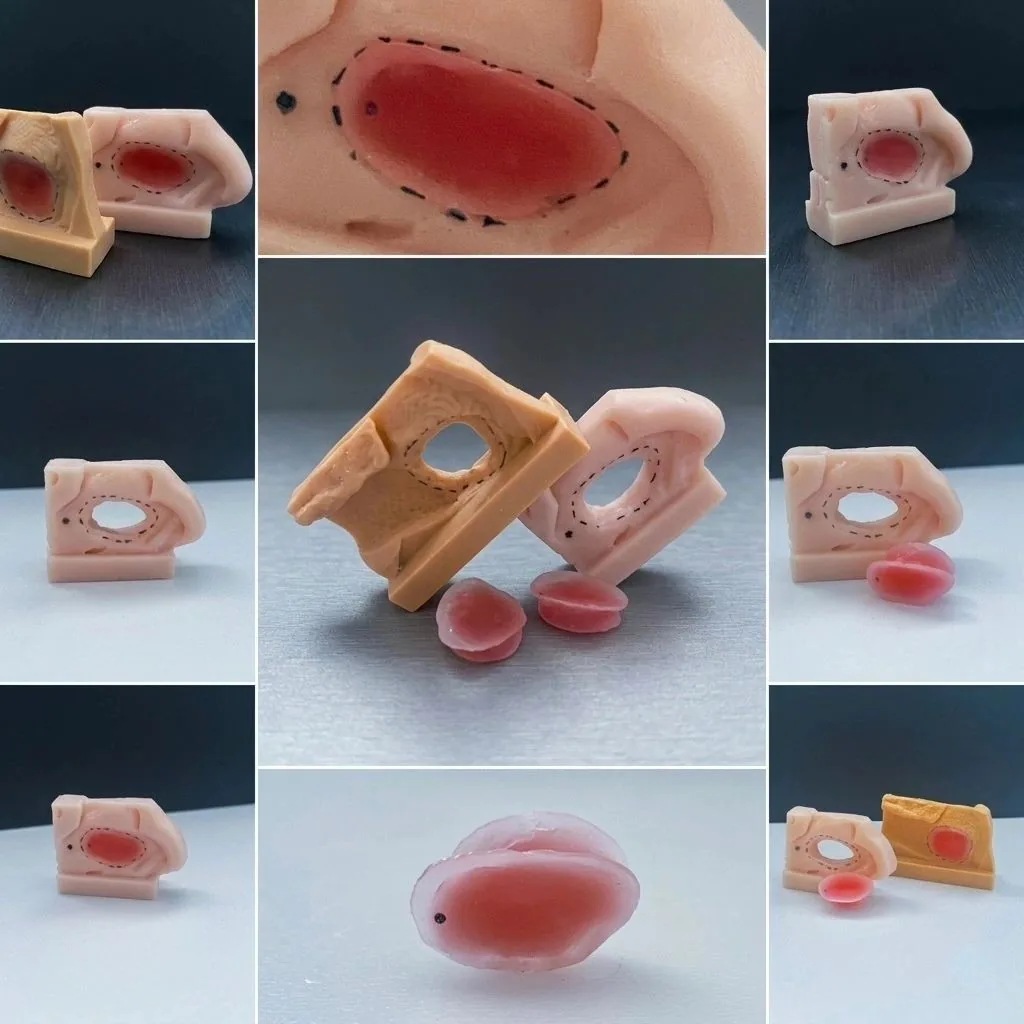
2. Septal buttons: A minimally invasive solution - A septal button is a custom-made medical prosthesis designed to close the perforation non-surgically. It helps by:
- Restoring more normal airflow
- Reducing crusting and bleeding
- Eliminating whistling sounds
- Improving speech quality
- Enhancing comfort and quality of life.
At Engreco Healthcare, we specialise in bespoke silicone septal buttons, designed for:
- Perfect anatomical fit
- Optimal breathing function
- Long-term comfort.
Unlike off-the-shelf options, a custom device ensures better retention, fewer complications, and a more natural feel.
3. Surgical reconstruction - Surgery may be considered in selected cases, but only after:
- A prolonged period of complete abstinence (if drug-related)
- Stabilisation of the tissue condition.
Even then, surgical repair can be complex and is not always successful, particularly for larger perforations.
Our Approach: Compassionate, Specialist Care
From small perforations to complex cases involving both nasal and palatal structures - we’ve seen it all. We understand that these conditions can be sensitive, both medically and personally. That’s why we offer:
- Confidential, judgement-free consultations
- Close collaboration with ENT specialists
- Fully customised prosthetic solutions
- Ongoing support and adjustments.
Our goal is simple: to improve your breathing, restore function, and enhance your quality of life.
Frequently Asked Questions - Everything you need to know about septum perforation
Q. What is a nasal septal perforation?
A nasal septal perforation is a hole in the nasal septum, the structure that separates the two nostrils. It can vary in size and may affect breathing, comfort, and appearance.
Q. What causes a septal perforation?
Common causes include:
- Cocaine use (due to reduced blood supply and tissue damage)
- Nose picking or trauma
- Previous nasal surgery
- Chronic infections or inflammation
- Long-term use of nasal sprays.
Q. What are the symptoms of a nasal septal perforation?
Symptoms can include:
- Whistling sound when breathing
- Nasal crusting and dryness
- Frequent nosebleeds
- Blocked or difficult breathing
- Changes in speech (hypernasal voice)
- In severe cases, nasal collapse (“saddle nose”)
Q. Can a septal perforation heal on its own?
No, a septal perforation does not usually heal naturally, especially if the hole is moderate to large. Without treatment, symptoms may worsen over time.
Q. Is a nasal septal perforation dangerous?
While not always life-threatening, it can significantly impact breathing, eating, speaking, and quality of life. Larger perforations may also lead to structural changes in the nose.
Q. What is a septal button?
A septal button is a small medical device (prosthesis) inserted into the perforation to close the hole without surgery. It helps restore airflow and reduce symptoms.
Q. Is a septal button painful to wear?
Most patients find that a well-fitted, custom septal button is comfortable. There may be a short adjustment period, but discomfort is minimal when properly designed and fitted.
Q. What are the benefits of a custom-made septal button?
A bespoke (custom) septal button offers:
- Better fit and retention
- Improved breathing
- Reduced irritation and crusting
- Greater comfort compared to standard, off-the-shelf options.
Q. Do I need surgery for a septal perforation?
Not always. Many patients manage their symptoms successfully with a septal button. Surgery is usually considered only in selected cases and after stabilising the condition.
Q. Can I still be treated if my perforation was caused by cocaine use?
Yes absolutely, and without judgement. However, treatment requires complete abstinence to prevent further damage and ensure the success of any prosthetic or surgical solution.
Need Help?
Are you a patient experiencing symptoms of a nasal septal perforation?
If you are experiencing symptoms of a nasal septal perforation or have been diagnosed and are exploring treatment options, we’re here to help. We provide bespoke silicone septal buttons designed for optimal comfort, function, and long-term results.
Are you an ENT surgeon looking for a trusted prosthetics partner?
We provide high-quality, custom-designed septal buttons tailored to your patient’s anatomy and clinical needs.
If you would like to explore a bespoke silicone septal button or discuss a case, we are here to help.
Get in Touch!
Written by:
Anna Veli - Consultant Maxillofacial Prosthetist (Engreco Healthcare)
(19 March 2026)