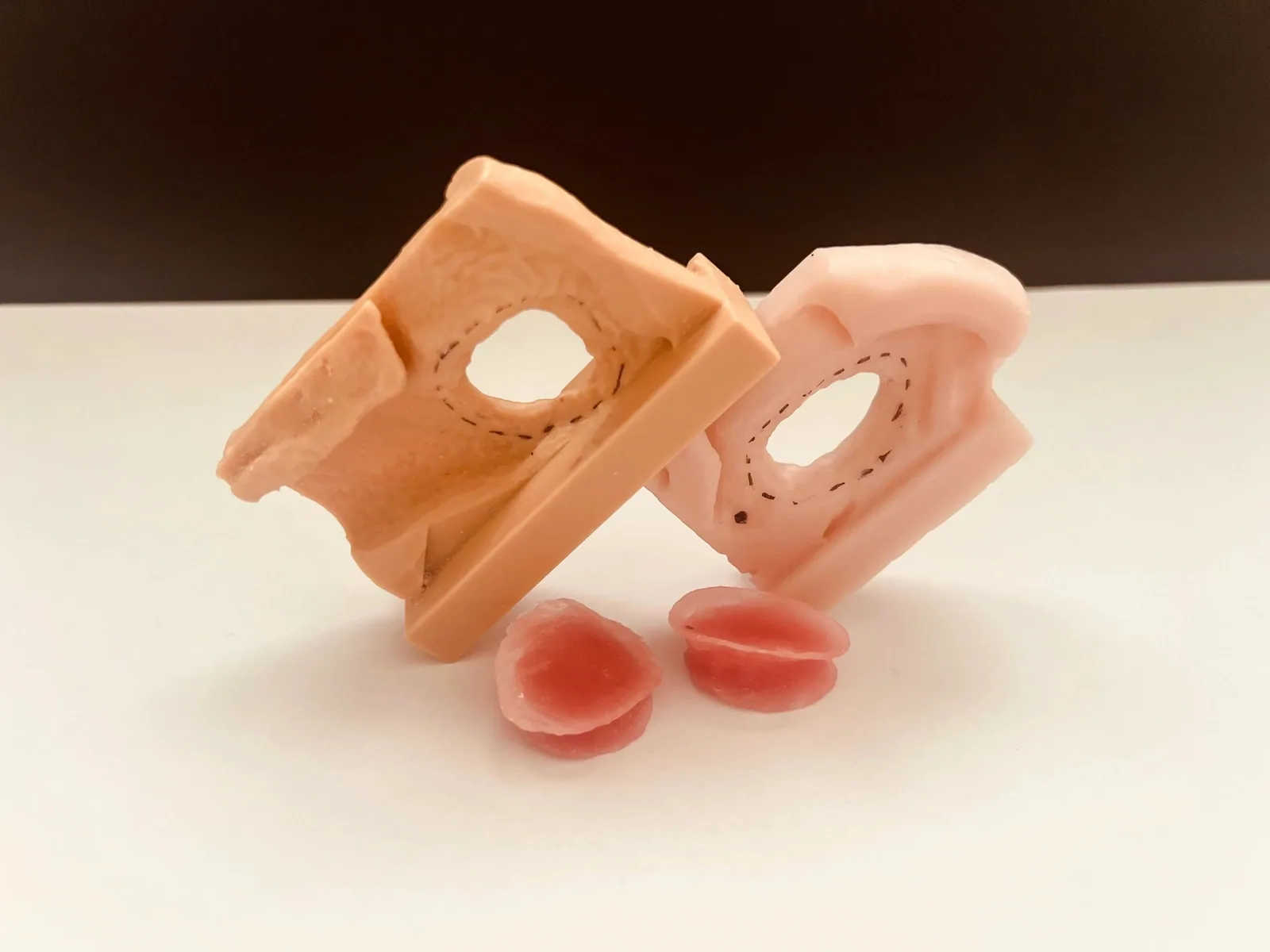
Some oral and nasal devices form part of specialist care for breathing, snoring or speech difficulties. This guide introduces prosthetic options and explains why assessment and collaboration between healthcare professionals matter.
Prosthetic solutions for oral, nasal, and pharyngeal deficiencies
Breathing, speaking, and sleeping comfortably are things most people take for granted, until they become difficult. For many, problems such as snoring, sleep apnoea, nasal obstruction, or speech impairment can have a profound impact on daily life. These issues may be caused by structural deficiencies of the oral, nasal, or pharyngeal regions, often following surgery, trauma, congenital anomalies, or chronic conditions.
At Engreco Healthcare, we specialise in prosthetic solutions that restore airflow, improve speech, and support restful sleep. By collaborating with dentists, orthodontists, ENT specialists, and maxillofacial surgeons, we provide bespoke oral and nasal devices that offer non-surgical alternatives for patients.
Understanding oral, nasal, and pharyngeal deficiencies
The oral cavity, pharynx and larynx are critical for breathing, swallowing, and vocalisation. When these areas are compromised, patients may experience:
- Blocked airflow and difficulty breathing
- Chronic snoring or obstructive sleep apnoea
- Speech difficulties such as nasal escape or altered resonance
- Nasal regurgitation during eating or drinking
- Facial deformities or perforations affecting function and confidence.
These issues can arise from:
- Cancer surgery (laryngectomy, pharyngectomy, maxillectomy)
- Craniofacial trauma
- Congenital anomalies
- Neuromuscular disorders
- Substance-related damage (e.g., cocaine-induced nasal and palatal perforations). Long-term cocaine misuse can cause severe nasal septal and palatal perforations, leading to hypernasal speech, difficulty swallowing, and facial changes. Prosthetic management with oral obturators and nasal septal buttons offers an immediate, non-surgical way to restore function, confidence, and quality of life while patients seek medical and rehabilitation support.
Prosthetic solutions for breathing, snoring, and speech
Our role as maxillofacial prosthetists and specialist dental technician is to design removable oral and nasal devices that are tailored to each patient’s anatomy and lifestyle.
1. Anti-Snoring and Sleep Apnoea Devices - These are custom-made mandibular advancement appliances that reposition the jaw forward, reducing airway collapse during sleep. These dental snoring devices are highly effective for patients with mild to moderate sleep apnoea and chronic snoring, providing a discreet, non-invasive alternative to CPAP machines.
2. Nasal Obturators, Nasal Septal Buttons, and Nasal Splints - For patients with nasal obstructions, midfacial trauma, or septal perforations, nasal prosthetic devices can restore both form and function:
- Nasal obturator - blocks nasal perforations, improving airflow and speech.
- Nasal septal button - closes septal perforation (often caused by trauma, surgery, or cocaine misuse), reducing whistling, crusting, and nasal leakage.
- Nasal stenosis splint - provides internal support post-surgery or injury, maintaining airway patency and structural alignment.
3. Pharyngeal and Speech-Aid Prostheses - Patients with velopharyngeal insufficiency or changes after laryngectomy/pharyngectomy may struggle with speech, swallowing, and nasal regurgitation. Pharyngeal obturators (speech bulbs) help close the gap between the soft palate and pharyngeal wall, restoring oral competency, resonance, and speech clarity.
Collaboration is key
Successful outcomes rely on multidisciplinary teamwork:
- Dentists & orthodontists: For sleep apnoea appliances and dental-based snoring solutions
- ENT consultants: For nasal splints, nasal obturators, and airway management
- Maxillofacial surgeons: For post-trauma and post-surgical reconstruction
- Maxillofacial prosthetists: For the design, manufacture, and fitting of all the above bespoke prosthetic devices.
This integrated approach ensures each device is functionally effective, biocompatible, and comfortable for long-term use.
Accessing custom devices privately
At Engreco Healthcare, we provide private access to these highly specialised prosthetic solutions. Patients can:
- Self-refer directly for assessment and treatment
- Be referred by their GP, dentist, ENT consultant, or surgeon
- Benefit from bespoke prostheses designed for comfort, discretion, and everyday use.
Our devices are made from medical-grade materials and tailored to individual needs, whether used at night (i.e. anti-snoring appliances) or throughout the day (i.e. nasal or pharyngeal obturators).
FAQ - Everything you need to know about breathing, snoring, and speech difficulties UK
Q. What is an obturator, and how does it help?
An obturator is a removable prosthesis designed to seal gaps in the roof of the mouth (palate) or nasal cavity. It aids in improving speech clarity, swallowing, and facial appearance by restoring anatomical function lost due to surgery or congenital conditions.
Q. What is a nasal obturator, and how does it assist with speech?
A nasal obturator is a soft silicone device custom-made to fit inside the nostrils. It reduces excessive airflow through the nose during speech, directing more air through the mouth, which enhances speech clarity and reduces nasal resonance.
Q. How is a speech prosthesis fitted, and what does the process involve? The fitting process typically requires 3 to 5 appointments. A maxillofacial prosthetist will take impressions, design the prosthesis, and ensure a comfortable fit. The two main types are:
- Palatal lift: Supports the soft palate to improve closure during speech.
- Velopharyngeal obturator: Seals the gap between the nose and mouth to reduce nasal airflow during speech.
Q. How do I care for my obturator or nasal obturator?
Daily cleaning with mild soap and warm water is recommended. Avoid storing them when wet to prevent bacterial growth. Regular check-ups are essential to ensure proper fit and function.
Q. How long does a prosthetic obturator last, and when should it be replaced?
The lifespan of an obturator varies based on individual needs and wear. Regular assessments by a prosthetist will determine when a replacement is necessary, typically when the prosthesis no longer fits well or functions effectively.
Q. Can a prosthetic restore normal breathing or vision?
No, prosthetics like obturators and nasal obturators do not restore vision or normal breathing. They are designed to improve speech, swallowing, and appearance by compensating for anatomical deficiencies.
Restoring more than function
Whether you are a patient struggling with sleep or breathing difficulties, or a clinician seeking a trusted laboratory/clinic partner, Engreco Healthcare offers a range of prosthetic interventions to restore comfort, dignity, and control.
We are proud to support individuals with life-changing, non-surgical solutions, and to work collaboratively with healthcare professionals across dentistry, ENT, and maxillofacial surgery.
Your comfort, your breath, your voice.
Written by:
Anna Veli - Consultant Maxillofacial Prosthetist (Engreco Healthcare)
(04 September 2025)