
Keloid Splint: Why is used and How it Helps Manage Scarring?
A keloid splint is a custom device used in pressure-based scar management. This guide introduces how these devices are made, who may be assessed for one and the importance of specialist advice.
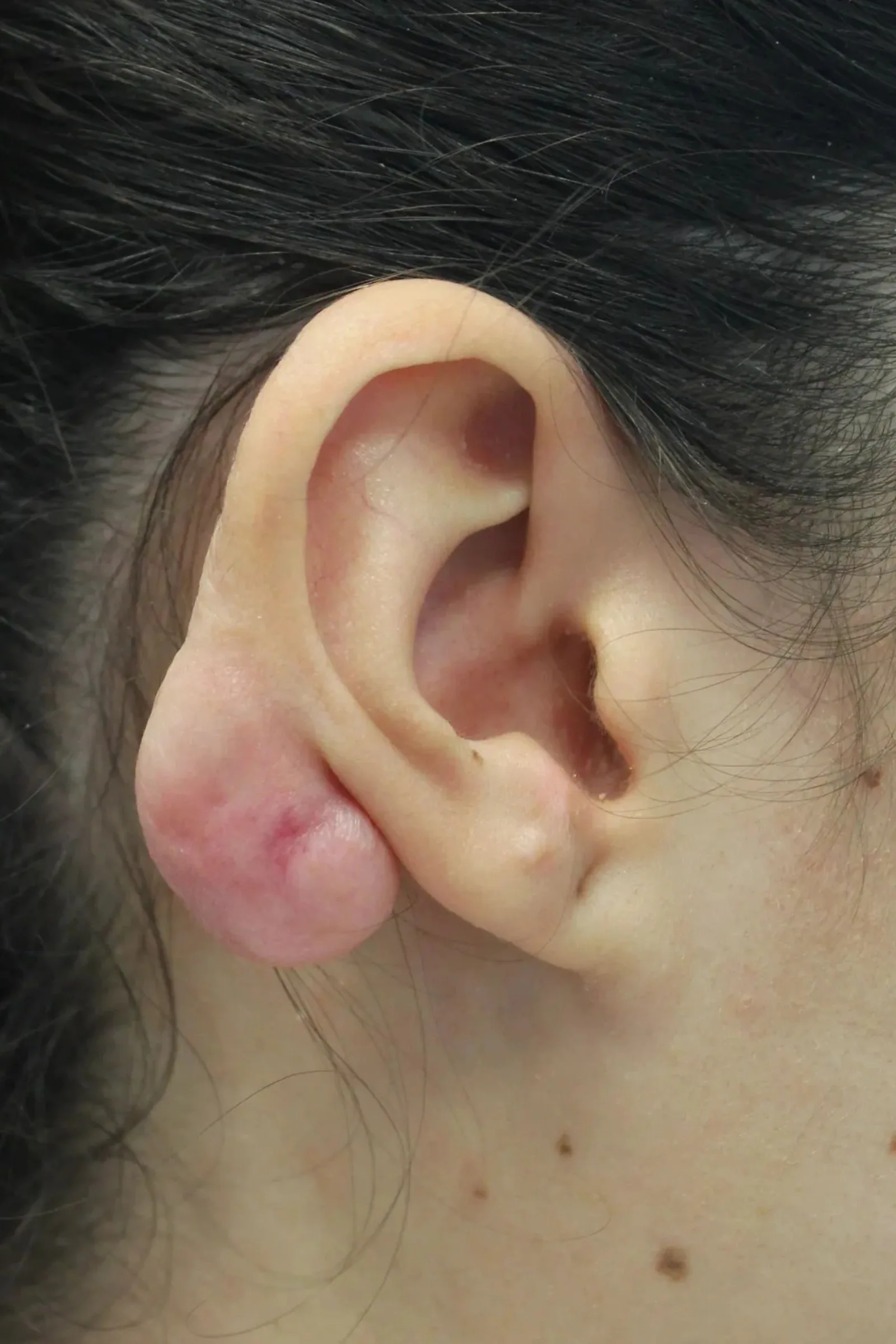
Facial scarring can be distressing, both physically and emotionally. Whether caused by trauma, surgery, burns, or acne, raised scars such as keloids can impact confidence and quality of life.
For patients seeking effective scar management, keloid splints offer a targeted solution that is gaining recognition among dermatologists, plastic surgeons, maxillofacial surgeons, ENT specialists, and GPs.
This article explores what keloid splints are, how they work, and how you can access treatment, including self-referral options.
What are keloid splints?
Keloid splints are custom-made, medical devices designed to reduce tension on scar tissue, particularly hypertrophic scars. By gently applying pressure to the affected area, they help prevent further thickening of the scar and can improve overall appearance. Unlike creams or silicone sheets, keloid splints are precisely tailored to the contours of the affected area, making them ideal for delicate areas like the nose, ears, cheeks, forehead, or around the eyes.
Key benefits include:
- Reduction in scar height and firmness
- Prevention of further keloid formation
- Minimally invasive and non-surgical
- Customisable for sensitive facial areas.
How do they work?
Keloid splints work through mechanical pressure and support, which helps:
- Flatten hypertrophic scars by evenly distributing pressure across the scarred tissue
- Limit excessive collagen production, a key factor in keloid formation
- Support surrounding tissue during healing or post-surgical recovery.
Because every facial scar is unique, custom-made splints are essential for optimal results. At specialised prosthetic clinics, like Engreco Healthcare, advanced 3D scanning and moulding techniques are used to ensure a perfect fit that is both comfortable and effective.
Who can benefit?
Keloid splints or pressure splints are suitable for a wide range of patients, including those with:
- Post-surgical scars (plastic surgery, ENT, or maxillofacial surgery)
- Traumatic facial injuries
- Burns or skin graft scars
- Acne-related keloids
- Hypertrophic scars resistant to conventional therapies.
They are particularly valuable for patients who want a non-invasive alternative to surgery or steroid injections, for individuals seeking enhanced cosmetic outcomes after facial procedures, or as a preventive method after keloid scar removal.
How to access scar management treatment
1. Self-Referral - Many specialised prosthetic clinics accept self-referrals, making it easier for patients to take control of their scar management without waiting for a GP or specialist referral. Self-referring allows patients to:
- Book a consultation directly
- Receive a personalised assessment and consultation
- Access bespoke keloid splints tailored to their unique facial contours.
2. Specialist Referral - Specialist referrals ensure that splints are integrated into a broader treatment plan, potentially alongside steroid therapy, laser treatment, or other scar interventions. Keloid splints are also commonly prescribed by healthcare professionals, including:
- Dermatologists for persistent keloids
- Plastic surgeons for post-surgical scar management
- Maxillofacial surgeons following reconstructive procedures
- ENT surgeons for facial trauma or nasal reconstruction
- GPs seeking advanced scar management options for their patients.
Why choose a specialist clinic for your keloid scar management?
Facial keloids require expert assessment and precise fabrication. Choosing the right clinic can significantly improve outcomes, particularly for sensitive facial areas. A specialised prosthetic clinic offers:
- Custom-fitted splints for optimal results
- Advanced materials for comfort and effectiveness
- Personalised care combining aesthetic and functional outcomes
- Collaboration with your referring clinician to complement surgical or dermatological treatments.
Take control of your facial scar today
Keloid splints are a safe, non-invasive, and effective solution for managing raised facial scars. Whether you are a patient wanting to self-refer or a clinician seeking specialist prosthetic support for your patient, professional assessment and custom fitting are essential for the best results.
If you are considering keloid splint UK, reach out to a Engreco Healthcare to schedule your FREE consultation and explore a tailored treatment plan designed to restore both appearance and confidence.
FAQ - Everything you need to know about keloid splints and pressure therapy UK
Q. What is a keloid splint and how does it work?
A keloid splint is a custom device that applies gentle, consistent pressure to keloid scars, typically on the earlobe or torso. The pressure can flatten the keloid, reduce its size, and prevent further growth. The British Association of Dermatologists notes that compression therapy can be effective, particularly for small or recent keloids.
Q. How long should I wear my keloid splint each day?
Most patients are advised to wear the splint 18–22 hours per day, gradually increasing wear time over two weeks to allow the skin to adjust. Compliance is key for effectiveness.
Q. How long will I need to use the splint?
The duration varies. For active keloids, therapy may continue for 18–24 months. After surgical removal, continued splint use is often recommended to maintain results and prevent recurrence.
Q. How do I clean and maintain my keloid splint?
Clean the splint and the skin underneath 1–2 times daily with warm water and mild antibacterial soap. Avoid hot water or harsh chemicals. Ensure both the splint and skin are completely dry before reattaching. Proper maintenance reduces irritation and infection risk.
Q. What should I do if the splint causes discomfort or irritation?
If you experience pain, irritation, or skin changes, stop using the splint and consult your healthcare provider. Adjustments may be necessary to improve fit and comfort.
Q. How do I know if the splint is working?
Effectiveness is assessed through regular follow-up appointments. Signs of improvement include flattening of the keloid, reduced redness, and slower growth. Your healthcare provider may adjust the splint or therapy based on progress.
Written by:
Anna Veli - Consultant Maxillofacial Prosthetist (Engreco Healthcare)
(04 September 2025)