
Who Is Really Making Your Dental Devices?
Dental devices are made through a combination of clinical and laboratory work. This article discusses the people behind that work, professional registration, manufacturing standards and questions patients can ask about their devices.
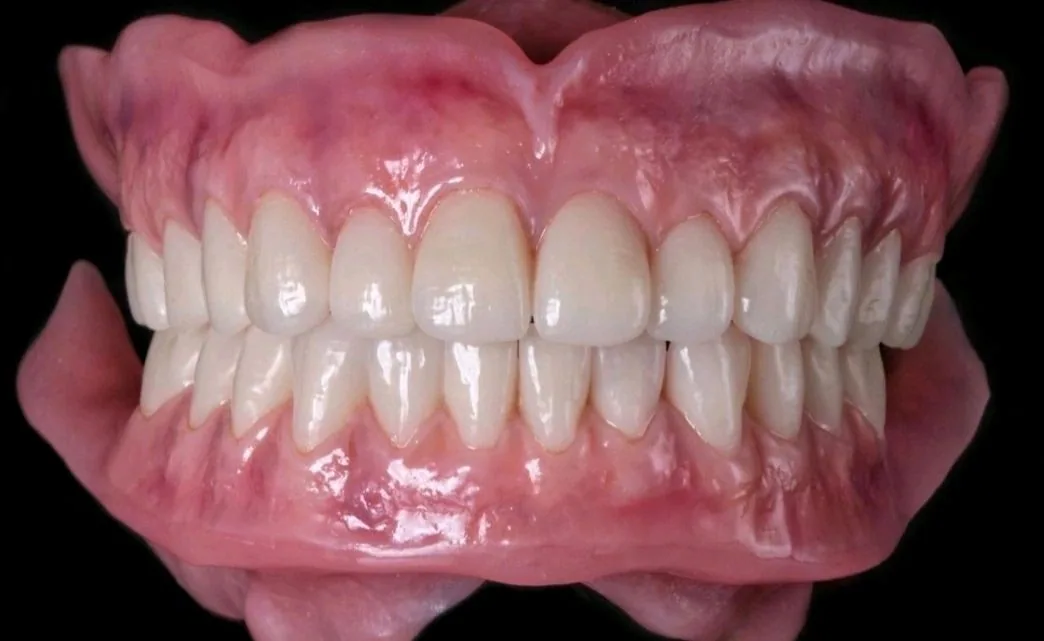
The UK dental industry is facing a growing crisis. Over the past 15 years, the number of registered dental technicians has fallen by almost a third, with the average age of technicians now 55–57. At the same time, demand for private dentistry, cosmetic treatments, and complex prosthetic services has surged by 10–15% since 2017. This imbalance between supply and demand has driven up the cost of high-quality crowns, bridges, dentures, and other custom dental appliances, pushing many patients to search for cheaper solutions, sometimes abroad or from unregulated sources.
Unfortunately, this gap has been exploited by a small but concerning number of unregistered technicians and illegal practitioners. Operating outside regulatory frameworks, these individuals produce and fit dental appliances without proper training, certification, or oversight. While patients may be motivated by lower prices, choosing unregulated providers exposes them to serious health risks, substandard workmanship, and a lack of accountability if complications arise. The integrity of the dental profession is increasingly at stake.
UK registrations, regulatory loopholes, and the growing divide in dental manufacturing
In the United Kingdom, operating a dental laboratory or manufacturing patient-specific medical devices is not just a matter of skill; it’s a matter of compliance, regulation, and public trust. For professionals who follow the rules, there’s an extensive framework of registration, certification, and inspection processes. And yet, across the country, we increasingly see a worrying trend: a rise in unregistered, unregulated dental manufacturing that threatens not only patient safety but the very integrity of our profession.
The regulatory landscape
To legally and ethically run a dental laboratory or manufacture custom medical devices in the UK, a range of registrations and accreditations are required:
- MHRA (Medicines and Healthcare products Regulatory Agency): Any business involved in the manufacture of custom dental, medical, or maxillofacial devices must be registered with the MHRA as a manufacturer of custom-made medical devices. This ensures the business is compliant with the Medical Devices Regulations 2002 (as amended by the UK MDR 2002).
- GDC (General Dental Council): Dental technicians must be registered with the GDC to legally work in the UK. The title “Dental Technician” is protected, and only those on the GDC register can use it. Yet, registration is not just about legality—it affirms a professional’s accountability and adherence to high standards of care.
- MDD (Medical Device Directive) / UK MDR (UK Medical Device Regulations): The design and production of medical devices must comply with the UK MDR, which governs everything from materials and design to labeling, risk assessment, and post-market surveillance.
- DAMAS (Dental Appliance Manufacturers Audit Scheme): While voluntary, DAMAS is the industry’s quality management system. It provides an auditable structure that helps dental labs prove compliance with UK legal requirements. Many NHS contracts now require DAMAS certification as a mark of quality assurance.
This is the rigorous path followed by regulated professionals. It involves inspections, audits, CPD requirements, equipment safety testing, traceability logs, patient record keeping, and more.
The unregulated reality
However, for every registered and compliant laboratory, there are others operating in the shadows.
- Unregistered labs and technicians: Some individuals operate dental laboratories without MHRA or GDC registration, bypassing safety regulations and professional scrutiny entirely.
- In-house appliance fabrication: Increasingly, dental nurses or practice staff, who are not trained or registered manufacturers, are fabricating bleaching trays, retainers, and mouthguards for patients without any MHRA oversight. These are patient-specific medical devices, and the law is clear: their manufacture must be appropriately regulated.
- 3D printing without boundaries: The rise of digital dentistry has brought incredible innovation. But it’s also opened the floodgates to unregulated practice. Anyone with CAD software and access to a 3D printer can now offer digital planning, model fabrication, and even surgical guides, often with no registration, training, or legal accountability. While the tools are powerful, their misuse poses real risks.
Where do we draw the line?
This issue is not just about compliance, it’s about safety, ethics, and fairness. Some of us dedicate time, money, and effort to stay compliant with evolving UK regulations, while others cut corners or work entirely outside the system. This growing imbalance raises serious questions:
- Where do we draw the line? At what point does innovation become unsafe? And who is responsible for monitoring this?
- How do we protect patients and ourselves? Should patients know who is making their dental appliance, and whether that person is registered and regulated?
- How do we raise public awareness? Patients rarely question where their crown, retainer, or facial prosthesis was made. Shouldn’t they have the right to know, and the ability to choose?
- How do we preserve trust in dentistry? If patients experience complications or failures due to poor-quality devices made by unregistered individuals, it reflects on all of us. The entire profession loses credibility.
- How do we protect each other within the industry? Is it fair that compliant labs face audits, expenses, and penalties, while others operate from garages, ignoring health and safety legislation with zero oversight?
These are not easy questions to answer. But they are questions we must ask, loudly and persistently.
FAQ - Everything you need to know about dental appliance UK
Q. Who manufactures dental devices in the UK?
Dental devices in the UK are primarily produced by registered dental laboratories and dental professionals. These entities are responsible for creating custom appliances such as crowns, bridges, dentures, and orthodontic devices.
Q. Are dental laboratories regulated?
Yes, dental laboratories in the UK are regulated under the Medical Device Regulations (MDR). They must be registered with the Medicines and Healthcare products Regulatory Agency (MHRA) to legally manufacture custom dental devices.
Q. How can I verify if a dental laboratory is registered?
You can check the MHRA's official register or consult with your dentist, who should ensure that any laboratory they work with complies with regulatory standards.
Q. Are dental professionals involved in the manufacturing process?
Yes, registered dental professionals such as dental technicians and dentists may be involved in manufacturing dental devices, especially when they are custom-made to a patient's specifications. Q. What should I do if I have concerns about my dental device?
If you have concerns, discuss them with your dentist, who can liaise with the laboratory. If necessary, you can contact the MHRA or the GDC for guidance on regulatory matters.
Q. Can dental appliances be safely made outside the UK? While some overseas laboratories follow strict standards, many do not. Appliances made outside the UK may not meet MHRA, GDC, or UK MDR regulations, posing potential health risks and leaving patients with limited legal recourse if problems arise.
A call for action
As a profession, we must push for clarity, consistency, and enforcement. Regulatory bodies must ensure laws are applied across the board, not just to those who voluntarily follow them. Educational campaigns should empower patients to ask the right questions. And as individuals, we must advocate for ethical practice and accountability, even when it's inconvenient.
We are not just making appliances. We are crafting devices that people rely on for function, comfort, dignity, and sometimes, identity.
Written by:
Anna Veli - Consultant Maxillofacial Prosthetist (Engreco Healthcare)
(18 September 2025)